 Your 1 Day Floor is now PolyPro Coatings!
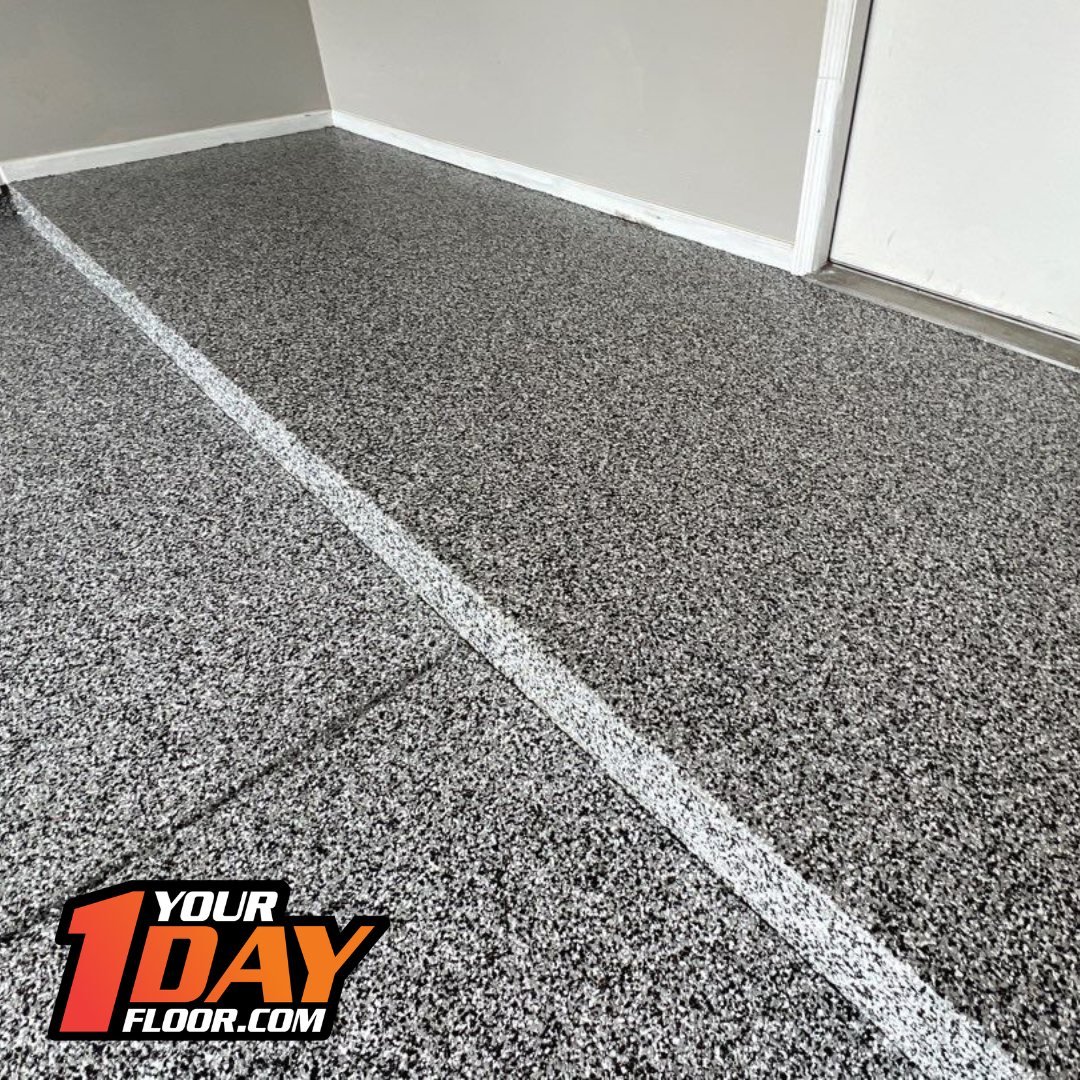
For homeowners in Cincinnati, Plain City, and Kettering, a garage isn't just a place to park; it's often a workshop, storage area, or even an extension of living space. A durable, attractive floor is essential, especially with our region's fluctuating temperatures and road salt. While epoxy coatings have long been a popular choice, many discover their limitations over time. Understanding these drawbacks is crucial before investing in a garage floor solution that might not stand up to modern demands.
The Unwanted Realities: UV Yellowing and Hot-Tire Pickup
One of the most common complaints about traditional epoxy garage floors is their susceptibility to UV degradation. If your garage door faces the sun, or if you leave it open frequently, epoxy can begin to yellow over time. This unsightly discoloration dulls the appearance of your floor, making it look aged and worn long before its expected lifespan. It's a purely aesthetic issue, but it significantly impacts the overall look and feel of your garage.
Another significant problem, particularly for car enthusiasts or anyone who drives regularly, is 'hot-tire pickup.' When hot tires from a recently driven vehicle park on an epoxy floor, the heat can cause the epoxy to soften and bond to the rubber. As the tires cool and are eventually moved, pieces of the epoxy coating can delaminate and lift away, leaving behind ugly bare spots. This issue is not only frustrating but also compromises the protective barrier of the floor, making it vulnerable to further damage.
Beyond Aesthetics: Brittleness and What Polyurea+Polyaspartic Solves
Beyond the surface-level issues, traditional epoxy coatings are inherently brittle. They cure into a very hard, rigid layer that lacks flexibility. This rigidity makes them susceptible to cracking and chipping, especially under impact from dropped tools, heavy equipment, or the stress of seasonal temperature changes common in our Ohio climate. Once a crack forms, it can spread, allowing moisture and contaminants to penetrate beneath the coating, leading to further deterioration and costly repairs.
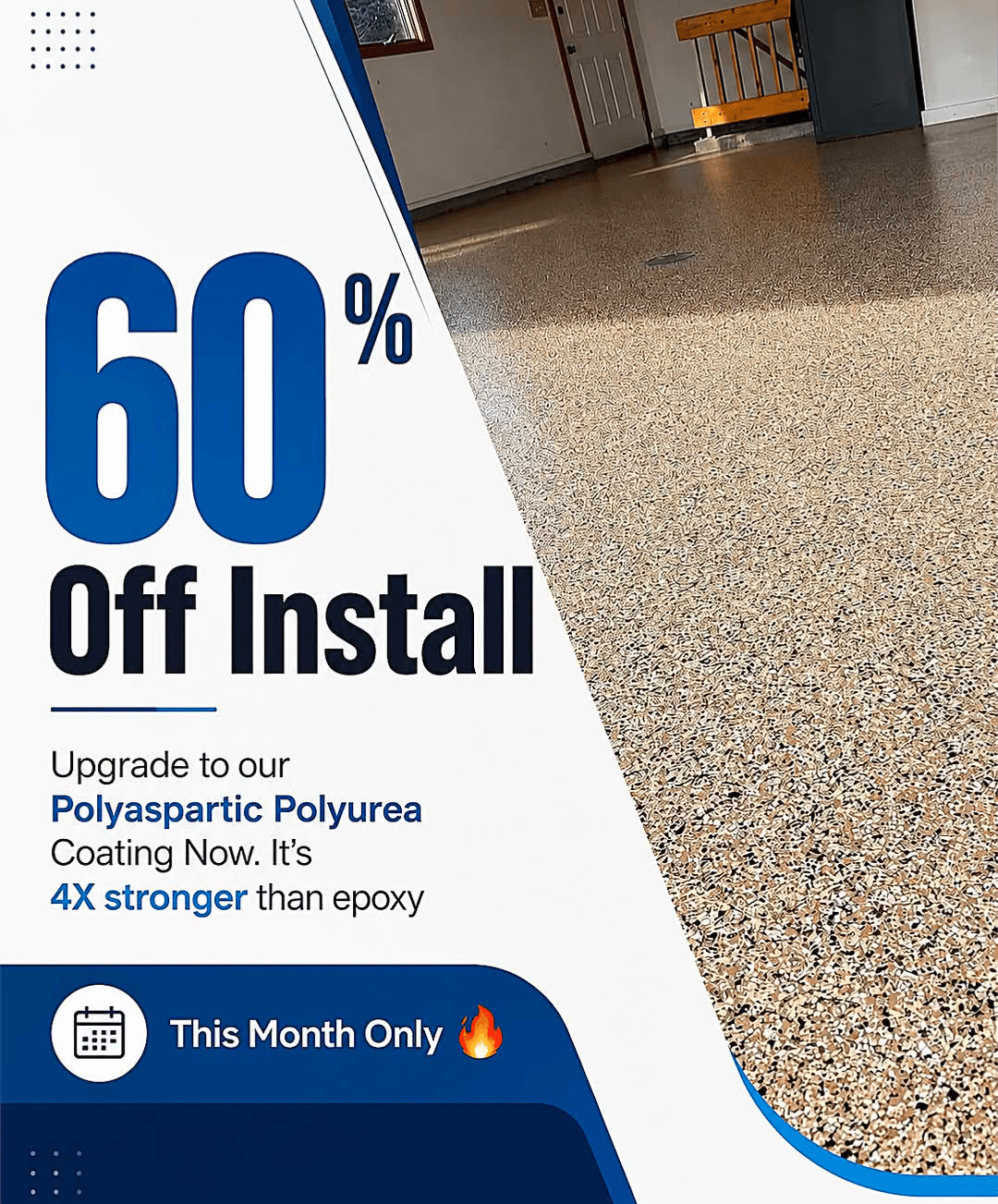
This is where modern polyurea and polyaspartic systems truly shine. Unlike epoxy, these advanced coatings offer superior flexibility and elasticity. They can expand and contract with the concrete substrate, effectively resisting cracking and chipping from impacts or temperature fluctuations. Furthermore, polyurea and polyaspartic systems are UV stable, meaning they won't yellow over time, maintaining their vibrant appearance. They are also highly resistant to hot-tire pickup, chemical spills, and abrasions, providing a far more durable and long-lasting solution for your garage floor.
Choosing the right garage floor coating means investing in long-term durability and aesthetic appeal. For a floor that withstands daily demands and our local climate without epoxy's pitfalls, a polyurea and polyaspartic system is the superior choice. To learn more, we invite you to request a free quote for an estimate specific to your project.